

Hey there! As a face cream supplier, I often get asked about the difference between day and night face creams. It's a topic that's super important for anyone looking to keep their skin in top - notch condition. So, let's dive right in and break it down.
1. The Role of Skin During Day and Night
First off, we need to understand what our skin does during the day and at night. During the day, our skin is exposed to all sorts of external factors. The sun's UV rays are a major concern. They can cause damage to the skin cells, leading to premature aging, dark spots, and even skin cancer. On top of that, pollution, dust, and harsh weather conditions can also take a toll on our skin.
At night, though, our skin goes into repair mode. It's the time when the body's natural regeneration process kicks in. Skin cells are replaced more rapidly, and the skin works on healing any damage that occurred during the day. This difference in the skin's function during day and night is the key reason why we need different types of face creams for these two periods.
2. Ingredients in Day Face Creams
Day face creams are formulated to protect the skin from the elements. One of the most crucial ingredients in a good day cream is sunscreen. A broad - spectrum sunscreen with a high SPF (Sun Protection Factor) helps shield the skin from both UVA and UVB rays. UVA rays are responsible for premature aging, while UVB rays cause sunburn.
Another common ingredient is antioxidants. These are substances like vitamin C, vitamin E, and green tea extract. Antioxidants help neutralize free radicals, which are unstable molecules that can damage skin cells. Free radicals are produced when the skin is exposed to UV rays, pollution, and other environmental stressors.
Moisturizers are also important in day creams. They help keep the skin hydrated and prevent moisture loss. For example, hyaluronic acid is a great moisturizing ingredient. It can hold up to 1000 times its weight in water, so it's excellent for plumping up the skin and keeping it looking fresh.
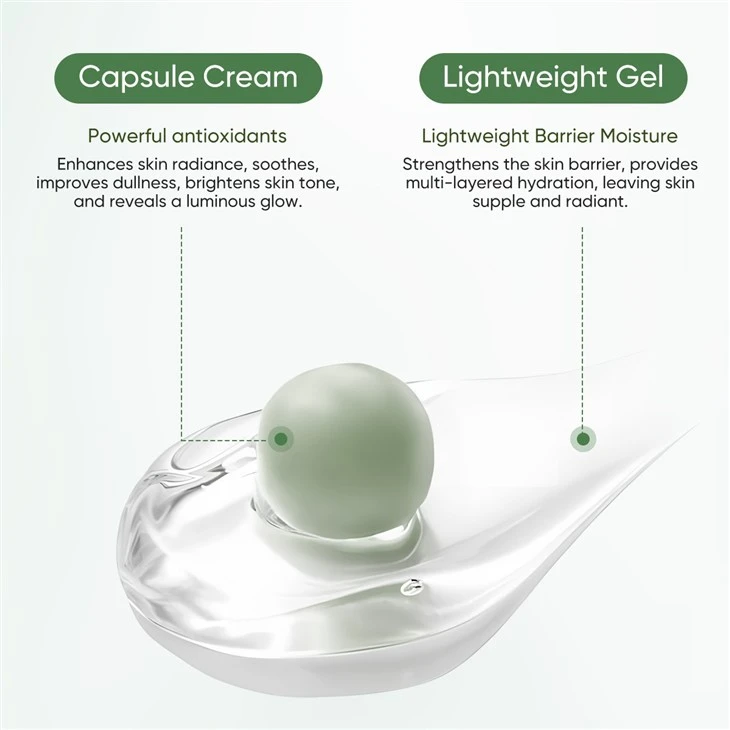
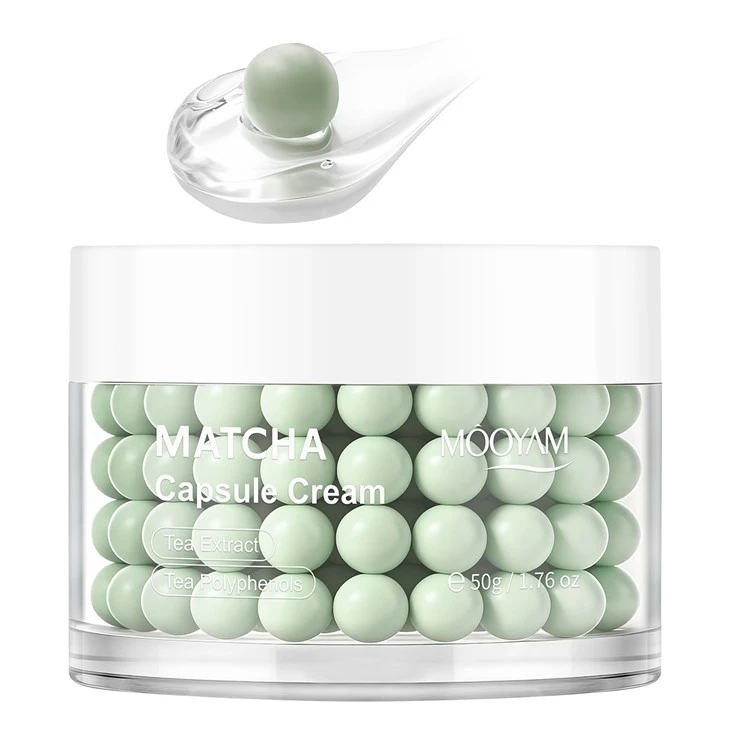
If you're interested in a great day face cream, check out our MOOYAM Matcha Capsule Cream. It's packed with antioxidants from matcha and has a light, non - greasy texture that's perfect for daytime use.
3. Ingredients in Night Face Creams
Night face creams, on the other hand, are all about repair and rejuvenation. One of the star ingredients in many night creams is retinol. Retinol is a form of vitamin A that helps speed up cell turnover. It can reduce the appearance of fine lines and wrinkles, improve skin texture, and fade dark spots.
Another important ingredient is peptides. Peptides are short chains of amino acids that can stimulate collagen production. Collagen is a protein that gives the skin its structure and elasticity. As we age, our collagen production decreases, leading to sagging skin. Peptides can help boost collagen levels and keep the skin looking firm.
Night creams also often contain rich moisturizers. Ingredients like shea butter and cocoa butter are great for deeply hydrating the skin while you sleep. They form a protective barrier on the skin, preventing moisture loss and leaving the skin soft and supple in the morning.
Our Moisturizing Face Cream is a fantastic night cream option. It's formulated with high - quality moisturizers and ingredients that promote skin repair, so you can wake up with glowing skin.
4. Texture and Consistency
The texture and consistency of day and night face creams also differ. Day creams are usually lighter and less greasy. This is because we don't want a heavy cream sitting on our skin during the day, especially if we're going to be applying makeup on top. A light - textured day cream absorbs quickly and leaves the skin feeling smooth and comfortable.
Night creams, however, tend to be thicker and richer. Since we're not going to be wearing makeup at night and we're lying down, a thicker cream can stay on the skin better and provide long - lasting hydration and nourishment. The thicker consistency also helps lock in the active ingredients, allowing them to work more effectively on the skin.
5. How to Choose the Right Cream for You
When choosing a day or night face cream, you need to consider your skin type. If you have oily skin, you'll want a lightweight, oil - free day cream and a night cream that's not too heavy. For dry skin, look for creams with high - moisture content, both during the day and at night.
Combination skin, which is a mix of oily and dry areas, requires a bit more balance. You might need a lighter day cream for the oily areas and a more moisturizing one for the dry parts. Sensitive skin needs creams with gentle, hypoallergenic ingredients.
Our Coconut Oil Moisturizing Face Cream is suitable for a variety of skin types. Coconut oil is a natural moisturizer that's gentle on the skin and has antibacterial properties, making it a great choice for many people.
6. The Importance of a Skincare Routine
Using the right day and night face creams is just one part of a good skincare routine. It's also important to cleanse your skin properly before applying the creams. A gentle cleanser helps remove dirt, oil, and makeup from the skin, allowing the creams to penetrate better.
Exfoliating a few times a week can also help improve the skin's texture and make it more receptive to the creams. However, be careful not to over - exfoliate, as this can damage the skin.
7. Contact Us for Procurement
If you're a retailer, distributor, or just someone interested in bulk purchasing our high - quality face creams, we'd love to hear from you. Our day and night face creams are formulated with the best ingredients to meet the needs of different skin types. Whether you're looking for a sunscreen - rich day cream or a repair - focused night cream, we've got you covered.
Don't hesitate to reach out to us to start a procurement discussion. We can offer competitive prices, flexible ordering options, and excellent customer service. Let's work together to bring the best skincare products to your customers.
References
- "The Science of Skincare" by Dr. Jane Smith
- "Skin Health and Beauty" magazine, various issues
- Research studies on skin physiology and the effects of different skincare ingredients