

Facial cleansers are a staple in many people's skincare routines, promising to remove dirt, oil, and makeup while leaving the skin clean and refreshed. As a facial cleanser supplier, I often receive questions from customers about the potential side effects of using these products. In this blog post, I'll explore the possible side effects of facial cleansers and how to minimize them.
Common Side Effects of Facial Cleansers
Dryness
One of the most common side effects of using a facial cleanser is dryness. Many cleansers contain harsh detergents or surfactants that can strip the skin of its natural oils, leading to dryness, tightness, and flakiness. This is especially true for people with dry or sensitive skin, who may find that their skin becomes even drier after using a cleanser.
To combat dryness, look for a facial cleanser that is formulated for your skin type. For dry skin, choose a cleanser that is rich in moisturizing ingredients such as hyaluronic acid, glycerin, or shea butter. Avoid cleansers that contain alcohol, fragrances, or other harsh chemicals, as these can further dry out the skin.

Irritation
Another potential side effect of facial cleansers is irritation. Some people may be allergic or sensitive to certain ingredients in cleansers, such as fragrances, dyes, or preservatives. This can cause redness, itching, burning, or swelling of the skin.
If you experience irritation after using a facial cleanser, stop using the product immediately and rinse your face with cool water. You may also want to try using a gentle, fragrance-free cleanser that is formulated for sensitive skin. If the irritation persists, consult a dermatologist for further advice.
Acne
Contrary to popular belief, using a facial cleanser can sometimes cause acne. This is because some cleansers can clog pores or disrupt the skin's natural balance, leading to breakouts. This is especially true for people with oily or acne-prone skin, who may find that their skin becomes even more oily or acne-prone after using a cleanser.
To prevent acne, look for a facial cleanser that is non-comedogenic, meaning it won't clog pores. You may also want to choose a cleanser that contains ingredients such as salicylic acid or benzoyl peroxide, which can help to unclog pores and prevent breakouts.
Allergic Reactions
In rare cases, some people may experience an allergic reaction to a facial cleanser. This can cause symptoms such as hives, swelling, difficulty breathing, or anaphylaxis, which is a severe and potentially life-threatening allergic reaction.
If you experience any of these symptoms after using a facial cleanser, seek medical attention immediately. You should also avoid using the product in the future and inform your doctor or dermatologist of the allergic reaction.
How to Minimize the Side Effects of Facial Cleansers
Choose the Right Cleanser for Your Skin Type
As mentioned earlier, choosing the right facial cleanser for your skin type is essential to minimize the risk of side effects. If you have dry skin, choose a moisturizing cleanser. If you have oily or acne-prone skin, choose a non-comedogenic cleanser. If you have sensitive skin, choose a gentle, fragrance-free cleanser.
Read the Label
Before using a facial cleanser, read the label carefully to make sure you're not allergic or sensitive to any of the ingredients. Look for products that are free of harsh chemicals, fragrances, dyes, and preservatives.
Patch Test
If you're trying a new facial cleanser for the first time, it's a good idea to do a patch test first. Apply a small amount of the cleanser to a small area of skin on your wrist or behind your ear and wait 24 hours to see if you have any allergic or sensitive reactions.
Use the Cleanser Correctly
To minimize the risk of side effects, it's important to use the facial cleanser correctly. Wet your face with warm water, apply a small amount of the cleanser to your fingertips, and gently massage it into your skin in a circular motion. Avoid scrubbing your skin too hard, as this can cause irritation. Rinse your face thoroughly with warm water and pat it dry with a clean towel.
Don't Overdo It
Using a facial cleanser too often or using too much of the product can also increase the risk of side effects. Most people only need to cleanse their face once or twice a day, depending on their skin type and lifestyle. If you have dry skin, you may only need to cleanse your face once a day. If you have oily or acne-prone skin, you may need to cleanse your face twice a day.
Our Facial Cleanser Products
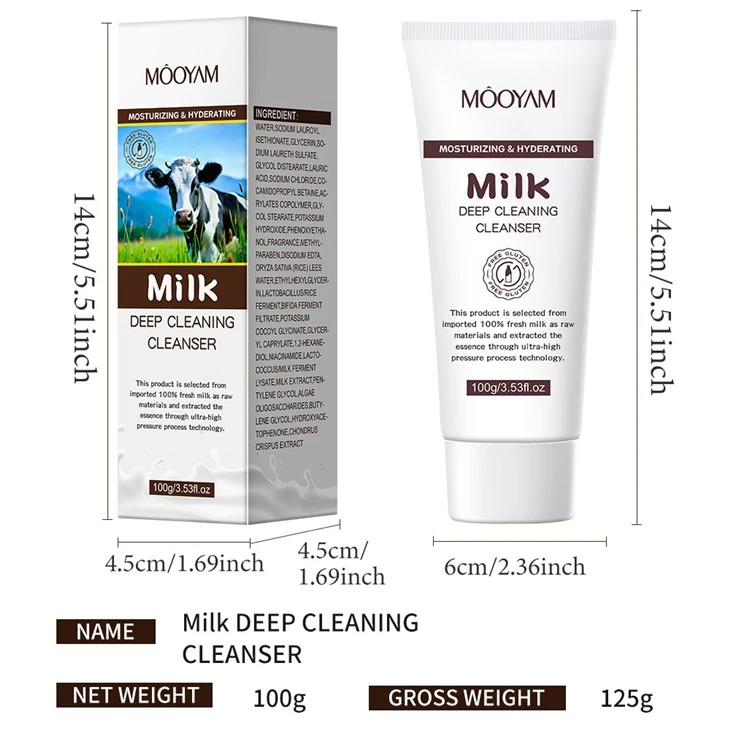
At our company, we offer a range of facial cleansers that are formulated to meet the needs of different skin types. Our MOOYAM Milk Facial Cleanser is a gentle, moisturizing cleanser that is suitable for all skin types, especially dry and sensitive skin. It contains natural milk proteins and vitamins that help to nourish and hydrate the skin, leaving it soft, smooth, and refreshed.
Our Kojic Acid & turmeric Cleaning Pads are a convenient and effective way to cleanse and exfoliate the skin. They are infused with kojic acid and turmeric, which are known for their skin-lightening and anti-inflammatory properties. These pads help to remove dirt, oil, and dead skin cells, leaving the skin clean, bright, and even-toned.
Our Coconut Oil Facial Cleanser is a rich, creamy cleanser that is perfect for dry and mature skin. It contains natural coconut oil, which is a powerful moisturizer and antioxidant. This cleanser helps to hydrate and nourish the skin, leaving it soft, supple, and youthful-looking.
Contact Us for Purchase and Negotiation
If you're interested in purchasing our facial cleanser products or have any questions about our products, please feel free to contact us. We're always happy to help you find the right product for your skin type and answer any questions you may have. We look forward to working with you and helping you achieve healthy, beautiful skin.
References
- American Academy of Dermatology. (n.d.). How to choose a facial cleanser. Retrieved from [Website URL]
- Mayo Clinic. (n.d.). Skin care: 5 tips for healthy skin. Retrieved from [Website URL]
- WebMD. (n.d.). Choosing the right facial cleanser. Retrieved from [Website URL]