

Rosacea is a common skin condition characterized by facial redness, visible blood vessels, and in some cases, small, pus-filled bumps. It can be a source of significant discomfort and self - consciousness for those who suffer from it. As a turmeric oil supplier, I've often been asked about the effectiveness of turmeric oil in treating rosacea. In this blog, I'll delve into the scientific evidence and share insights into how turmeric oil might play a role in managing this skin condition.
Understanding Rosacea
Before discussing the potential of turmeric oil, it's essential to understand rosacea. There are four subtypes of rosacea: erythematotelangiectatic rosacea (characterized by persistent redness and visible blood vessels), papulopustular rosacea (with red bumps and pustules), phymatous rosacea (leading to thickening of the skin, often on the nose), and ocular rosacea (affecting the eyes). The exact cause of rosacea remains unknown, but factors such as genetics, environmental triggers, and immune system dysfunction are thought to contribute.
Turmeric Oil: A Natural Remedy?
Turmeric, a bright yellow spice commonly used in Indian cuisine, has been used for centuries in traditional medicine. Turmeric oil is derived from the Curcuma longa plant and contains curcumin, a compound known for its anti - inflammatory, antioxidant, and antimicrobial properties. These properties are what make turmeric oil a potential candidate for treating rosacea.
Anti - inflammatory Properties
Inflammation is a key feature of rosacea. The redness, swelling, and bumps associated with the condition are all signs of an overactive immune response in the skin. Curcumin in turmeric oil has been shown to inhibit the production of pro - inflammatory cytokines, such as tumor necrosis factor - alpha (TNF - α) and interleukin - 6 (IL - 6). A study published in the Journal of Ethnopharmacology found that curcumin could reduce inflammation in skin cells by blocking the activation of nuclear factor kappa - B (NF - κB), a protein complex that plays a central role in the immune response and inflammation. By reducing inflammation, turmeric oil may help alleviate the redness and swelling associated with rosacea.
Antioxidant Effects
Oxidative stress is another factor that can contribute to the development and progression of rosacea. Free radicals, which are unstable molecules produced by the body in response to various factors such as UV radiation, pollution, and inflammation, can damage skin cells and exacerbate the symptoms of rosacea. Turmeric oil's antioxidant properties can help neutralize these free radicals and protect the skin from oxidative damage. Curcumin has been shown to increase the activity of antioxidant enzymes such as superoxide dismutase (SOD) and catalase, which help the body fight off oxidative stress.
Antimicrobial Activity
Some cases of rosacea may be associated with an overgrowth of bacteria on the skin. Turmeric oil has antimicrobial properties that can help control the growth of bacteria. A study in the International Journal of Molecular Sciences demonstrated that curcumin has antibacterial activity against several strains of bacteria, including Staphylococcus aureus, which is commonly found on the skin of rosacea patients. By reducing the bacterial load on the skin, turmeric oil may help prevent the development of pustules and other bacterial - related symptoms of rosacea.
Real - World Applications
While the scientific evidence is promising, it's important to note that more research is needed to fully understand the effectiveness of turmeric oil in treating rosacea. However, many people have reported positive results from using turmeric oil as part of their rosacea treatment regimen.
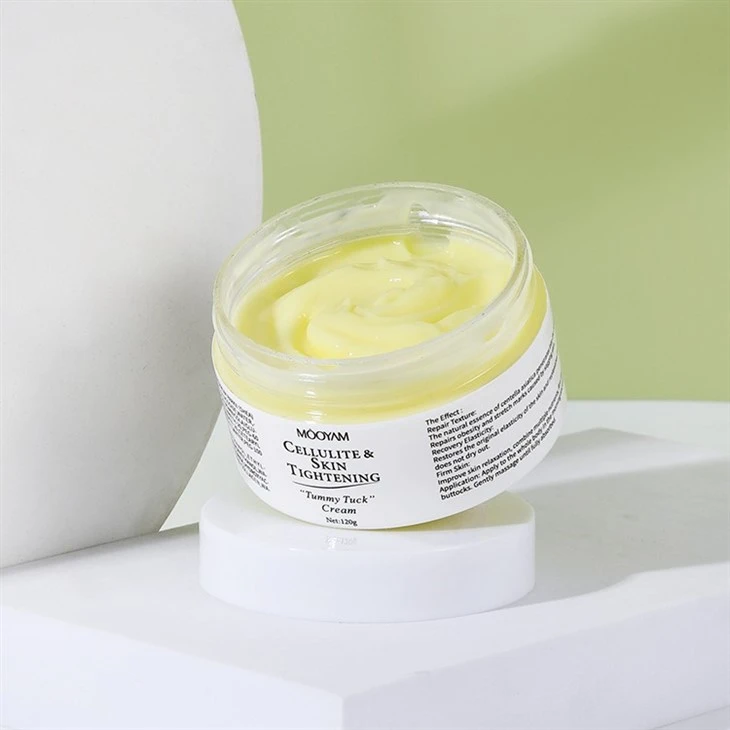
One way to use turmeric oil for rosacea is to dilute it with a carrier oil, such as coconut oil or jojoba oil, and apply it topically to the affected areas. This can help soothe the skin, reduce redness, and prevent the formation of new bumps. Another option is to incorporate turmeric oil into a skincare routine by using products that contain it. For example, our Celluilte & Skin Tightening Stretch Mark Cream can be used in combination with turmeric oil for overall skin health.
Considerations and Precautions
Before using turmeric oil to treat rosacea, it's important to consider a few things. First, turmeric oil can cause skin irritation in some people, especially those with sensitive skin. It's always a good idea to do a patch test on a small area of skin before applying it more widely. Second, turmeric oil can stain clothing and bedding, so it's important to be careful when using it.
It's also important to note that turmeric oil should not be used as a substitute for medical treatment. If you have rosacea, it's essential to consult a dermatologist for a proper diagnosis and treatment plan. Turmeric oil can be used as a complementary therapy to help manage the symptoms, but it should not replace prescription medications or other treatments recommended by a healthcare professional.
Other Products in Our Range
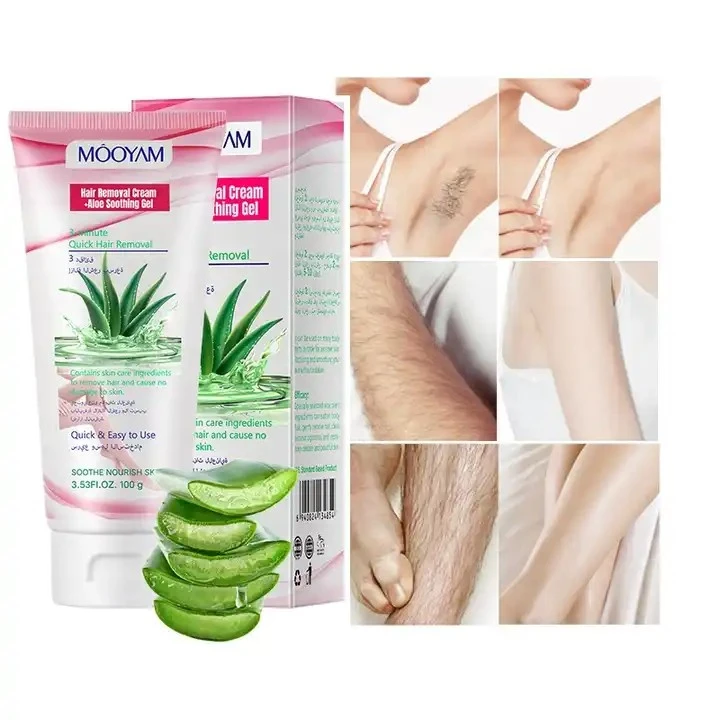
In addition to turmeric oil, we also offer a range of other skincare products that may be beneficial for those with rosacea or other skin conditions. Our MOOYAM Kojic Underarms Brightening Serum can help improve skin tone and texture, while our Hair Removal Cream provides a gentle and effective way to remove unwanted hair without irritating the skin.
Conclusion
In conclusion, while more research is needed to fully establish the effectiveness of turmeric oil in treating rosacea, its anti - inflammatory, antioxidant, and antimicrobial properties make it a promising natural remedy. As a turmeric oil supplier, I believe that turmeric oil can be a valuable addition to a rosacea treatment regimen, but it should be used in conjunction with medical advice.
If you're interested in learning more about our turmeric oil or other skincare products, we invite you to contact us for a procurement discussion. We're committed to providing high - quality products and excellent customer service, and we look forward to helping you find the right solutions for your skin needs.
References
- Journal of Ethnopharmacology. "Anti - inflammatory effects of curcumin on skin cells."
- International Journal of Molecular Sciences. "Antibacterial activity of curcumin against Staphylococcus aureus."