

Hey there! As a face mask supplier, I've seen all sorts of questions from customers about face masks, and one that comes up a lot is how to clean a face mask with a filter. It's super important to keep your masks clean, not only for hygiene but also to make them last longer. So, let's dive into it!
First off, why is it necessary to clean a face mask with a filter? Well, face masks, especially those with filters, are designed to protect us from various pollutants, germs, and particles in the air. Over time, these contaminants build up on the mask and the filter, reducing the mask's effectiveness and potentially causing skin irritation. Cleaning your mask regularly can help maintain its protective function and keep you healthy.
Pre - cleaning Steps
Before you start cleaning your face mask, you need to do a few things. First, remove the filter from the mask. Filters are often made of special materials that can be damaged by regular cleaning methods. Some filters are disposable, in which case you should replace them with a new one after each use. If your filter is reusable, set it aside for separate cleaning.
Also, check the manufacturer's instructions. Different masks are made from different materials, and some may require specific cleaning methods. For example, masks made of delicate fabrics like silk may need a gentler approach compared to cotton masks.
Cleaning the Mask
Once you've removed the filter, it's time to clean the mask itself. There are a few ways to do this, depending on the type of mask.
Hand - washing
This is a great option for masks made of more delicate materials or if you only have a few masks to clean. Fill a basin or sink with lukewarm water and add a small amount of mild detergent. Avoid using harsh chemicals or bleach, as they can damage the mask's fabric and reduce its effectiveness.
Gently submerge the mask in the soapy water and use your hands to agitate it. Make sure to clean all areas of the mask, including the nose wire and the ear loops. Let the mask soak for about 15 - 20 minutes to allow the detergent to break down any dirt and germs.
After soaking, rinse the mask thoroughly under running water until the water runs clear. Be careful not to wring the mask too hard, as this can damage the fabric. Instead, gently squeeze out the excess water.
Machine - washing
If you have a lot of masks or if your mask is made of a durable material like cotton, machine - washing is a convenient option. Place the mask in a mesh laundry bag to prevent it from getting tangled with other clothes. Use a gentle cycle with cold or lukewarm water and a mild detergent.
Avoid using fabric softeners, as they can leave a residue on the mask and reduce its ability to filter particles. Once the cycle is complete, remove the mask from the laundry bag and gently squeeze out the excess water.
Drying the Mask
After cleaning, it's important to dry the mask properly. You can air - dry the mask by hanging it on a clothesline or laying it flat on a clean towel. Make sure to place it in a well - ventilated area away from direct sunlight, as prolonged exposure to sunlight can damage the fabric.
If you're in a hurry, you can also tumble - dry the mask on a low - heat setting. However, be careful not to over - dry it, as this can shrink the mask or damage the fabric.
Cleaning the Filter
If your filter is reusable, you'll need to clean it separately. The cleaning method for the filter depends on its material. Some filters can be washed with mild detergent and water, while others may need to be replaced after a certain number of uses.
Check the manufacturer's instructions for specific cleaning guidelines. If you're unsure, it's better to err on the side of caution and replace the filter.
Tips for Maintaining Your Face Mask
- Store your masks properly: When you're not using your masks, store them in a clean, dry place. Avoid leaving them in damp or dirty environments, as this can encourage the growth of bacteria.
- Have multiple masks: It's a good idea to have a few masks on hand so that you can rotate them and give each one enough time to dry between uses.
- Inspect your masks regularly: Check your masks for any signs of damage, such as holes, tears, or loose threads. If you notice any damage, replace the mask immediately.
Our Face Mask Products
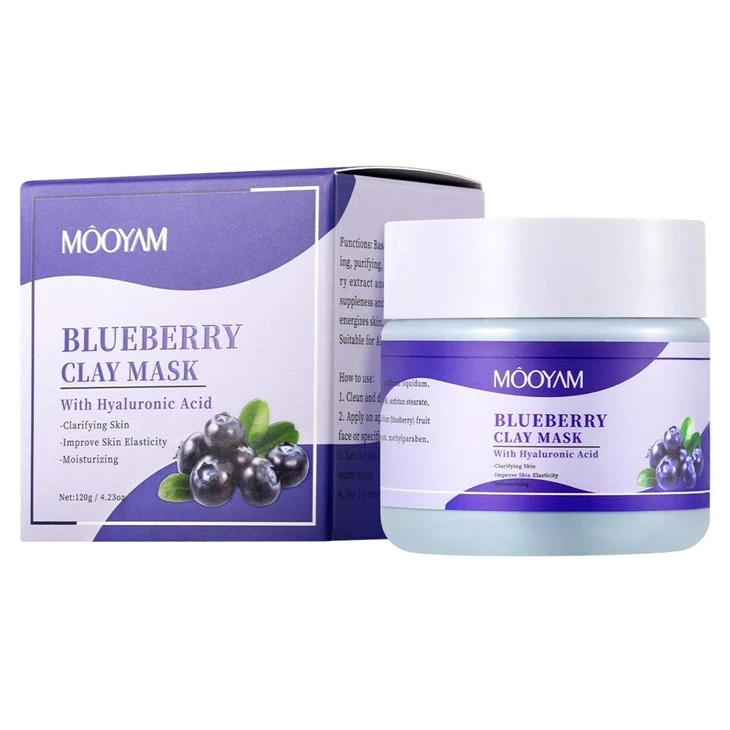
At our company, we offer a wide range of high - quality face masks, including the Turmeric and Blueberry Clay Mask, Jelly Mask, and 6 Types Serum Face Mask. These masks are not only effective in protecting your skin but also easy to clean and maintain.
Our masks are made from premium materials and are designed to provide maximum comfort and protection. Whether you're looking for a mask for daily use or for a special occasion, we've got you covered.
Contact Us for Procurement
If you're interested in purchasing our face masks for your business or personal use, we'd love to hear from you. We offer competitive prices, high - quality products, and excellent customer service. Don't hesitate to reach out to us to discuss your procurement needs.
References
- American Academy of Dermatology Association. (2020). How to Wash Your Cloth Face Mask.
- Centers for Disease Control and Prevention. (2020). How to Clean and Care for Your Cloth Face Covering.