

Shower gel is a staple in our daily hygiene routine, and one of the most enjoyable aspects of using it is the rich, luxurious foam it produces. As a shower gel supplier, I've spent a great deal of time researching and understanding the science behind how shower gel foams. In this blog post, I'll delve into the intricate details of this process, exploring the key components that contribute to the foaming action and the factors that influence its quality.
The Science of Foam Formation
At its core, foam is a collection of small bubbles trapped in a liquid or solid matrix. In the case of shower gel, the foam is created when air is incorporated into the liquid gel, forming a network of bubbles surrounded by a thin film of surfactant molecules. Surfactants, short for surface-active agents, are the key ingredients responsible for the foaming properties of shower gel.
Surfactants have a unique molecular structure that consists of a hydrophilic (water-loving) head and a hydrophobic (water-repelling) tail. When added to water, the hydrophilic heads are attracted to the water molecules, while the hydrophobic tails orient themselves away from the water, forming a layer at the surface of the liquid. This layer reduces the surface tension of the water, allowing air to be more easily incorporated into the liquid and forming bubbles.
Key Components of Shower Gel
In addition to surfactants, shower gel typically contains a variety of other ingredients that contribute to its overall performance and sensory experience. These include:
- Water: The primary component of shower gel, water serves as the solvent for the other ingredients and helps to create the liquid consistency of the product.
- Fragrance: Added to provide a pleasant scent, fragrance can enhance the overall sensory experience of using shower gel.
- Preservatives: Used to prevent the growth of bacteria and fungi, preservatives help to extend the shelf life of shower gel.
- Thickeners: Added to increase the viscosity of shower gel, thickeners help to give the product a more luxurious and creamy texture.
- Emollients: These ingredients help to moisturize and soften the skin, preventing it from becoming dry and irritated.
Factors Affecting Foam Quality
The quality of the foam produced by shower gel can vary depending on a number of factors, including:
- Surfactant Type and Concentration: Different types of surfactants have different foaming properties, and the concentration of surfactants in the shower gel can also affect the amount and quality of foam produced.
- Water Hardness: Hard water contains high levels of minerals such as calcium and magnesium, which can react with the surfactants in shower gel and reduce their effectiveness, resulting in less foam.
- Temperature: The temperature of the water can also affect the foaming properties of shower gel. Warm water generally produces more foam than cold water, as the heat helps to activate the surfactants and increase their ability to form bubbles.
- Agitation: The amount of agitation or mixing that occurs when the shower gel is applied to the skin can also affect the amount and quality of foam produced. Rubbing the shower gel between your hands or using a loofah or sponge can help to create more foam.
Our Shower Gel Products
As a shower gel supplier, we take great pride in offering a range of high-quality shower gel products that are formulated to provide a rich, luxurious foam and a refreshing cleansing experience. Our shower gels are made with a blend of natural and synthetic surfactants, carefully selected for their foaming properties and skin-friendly benefits.
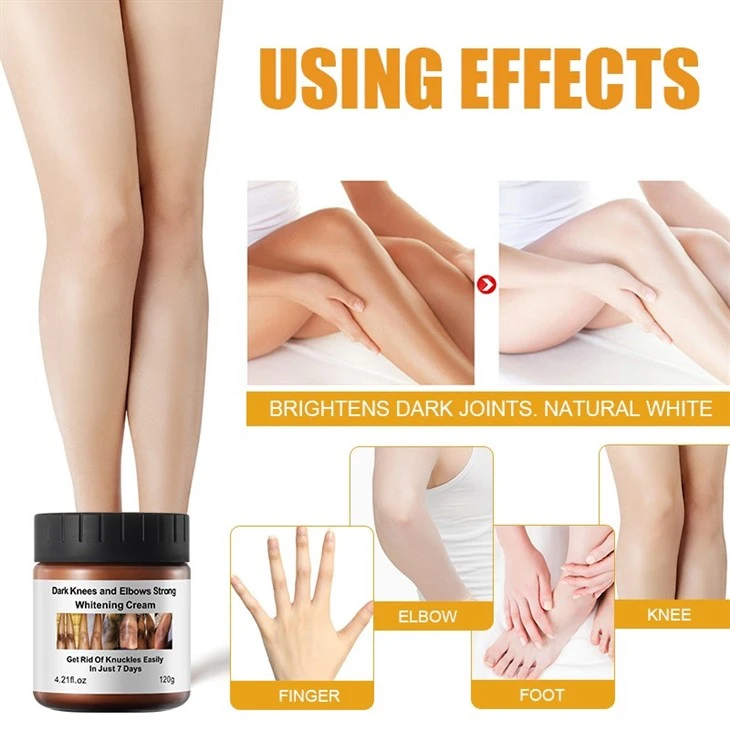
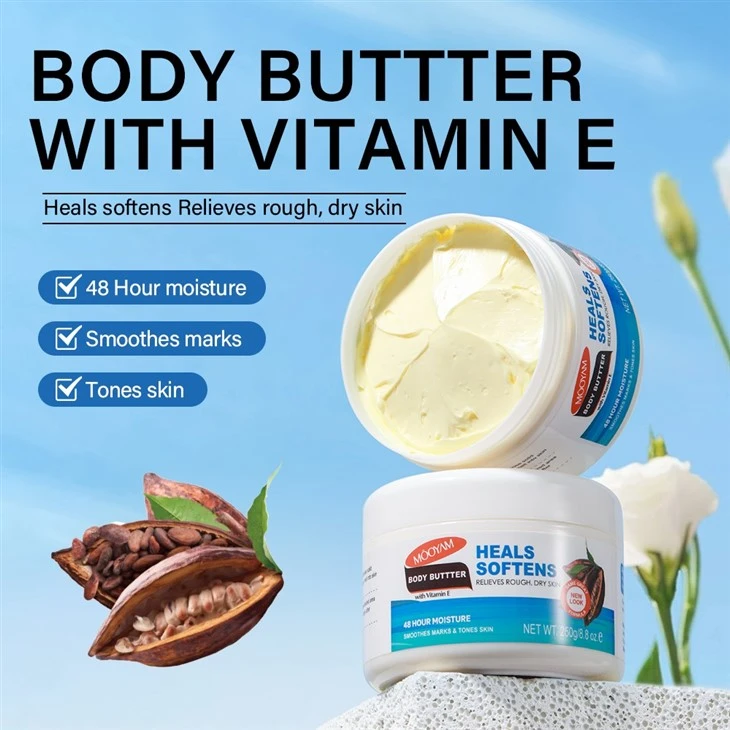
In addition to our standard shower gel products, we also offer a range of specialty products designed to address specific skin concerns. These include Stretch Mark Removal Oil, MOOYAM Body Butter, and Dark Knees and Elbows Strong Whitening Cream.
Contact Us for Procurement
If you're interested in learning more about our shower gel products or would like to discuss a potential procurement opportunity, we'd love to hear from you. Our team of experts is available to answer any questions you may have and to provide you with detailed product information and pricing.
Whether you're a retailer looking to add our shower gel products to your inventory or a business in need of a custom-formulated shower gel solution, we have the expertise and resources to meet your needs. Contact us today to start the conversation and take the first step towards a successful partnership.
References
- McClements, D. J. (2015). Food emulsions: principles, practice, and techniques. CRC press.
- Rosen, M. J., & Kunjappu, J. T. (2012). Surfactants and interfacial phenomena. John Wiley & Sons.
- Schwartz, A. M., & Perry, J. W. (1949). Surface active agents. Interscience Publishers.